Seven times a day
The hours, and what each one holds
Seven times a day do I praise thee, says the psalm, and the church took it literally. Each hour has a name in Ge’ez and a memory attached to it, and it is the memory, not the clock, that the hour is for. Six of the seven carry a name of their own in the tradition.
The hours are counted from sunrise, not from midnight: the third hour is three hours after the sun comes up, the sixth is noon, the ninth is mid-afternoon. The times below are today’s, for Addis Ababa — Monday, 19 October 2026, Tikimt 9, 2019. With an account they are worked out for your city and your own sunrise.
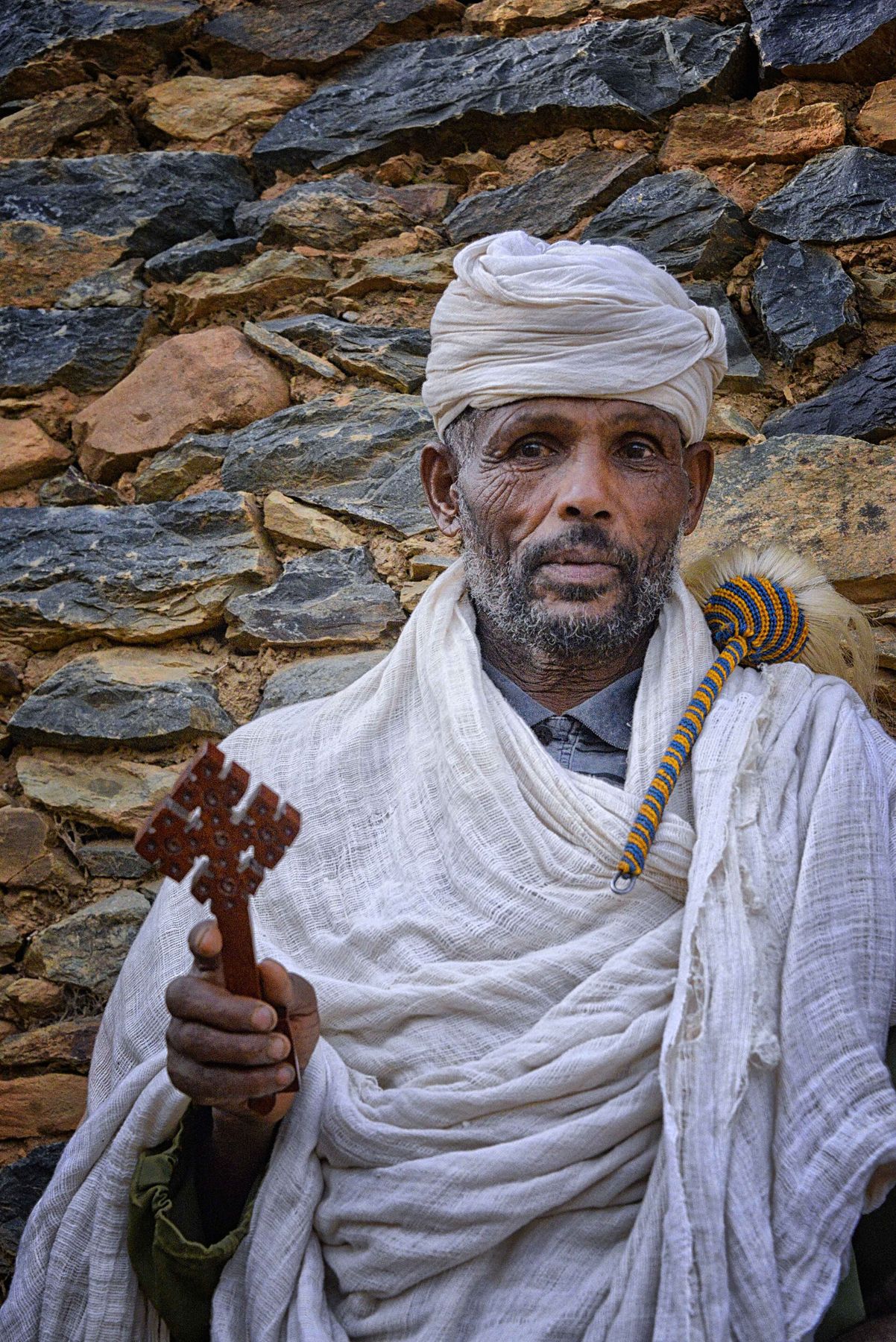
06:12at sunrise
Morning prayerነግህ
Nagh
Praise at first light, and the covenant of the morning — the day given back before anything is asked of it.
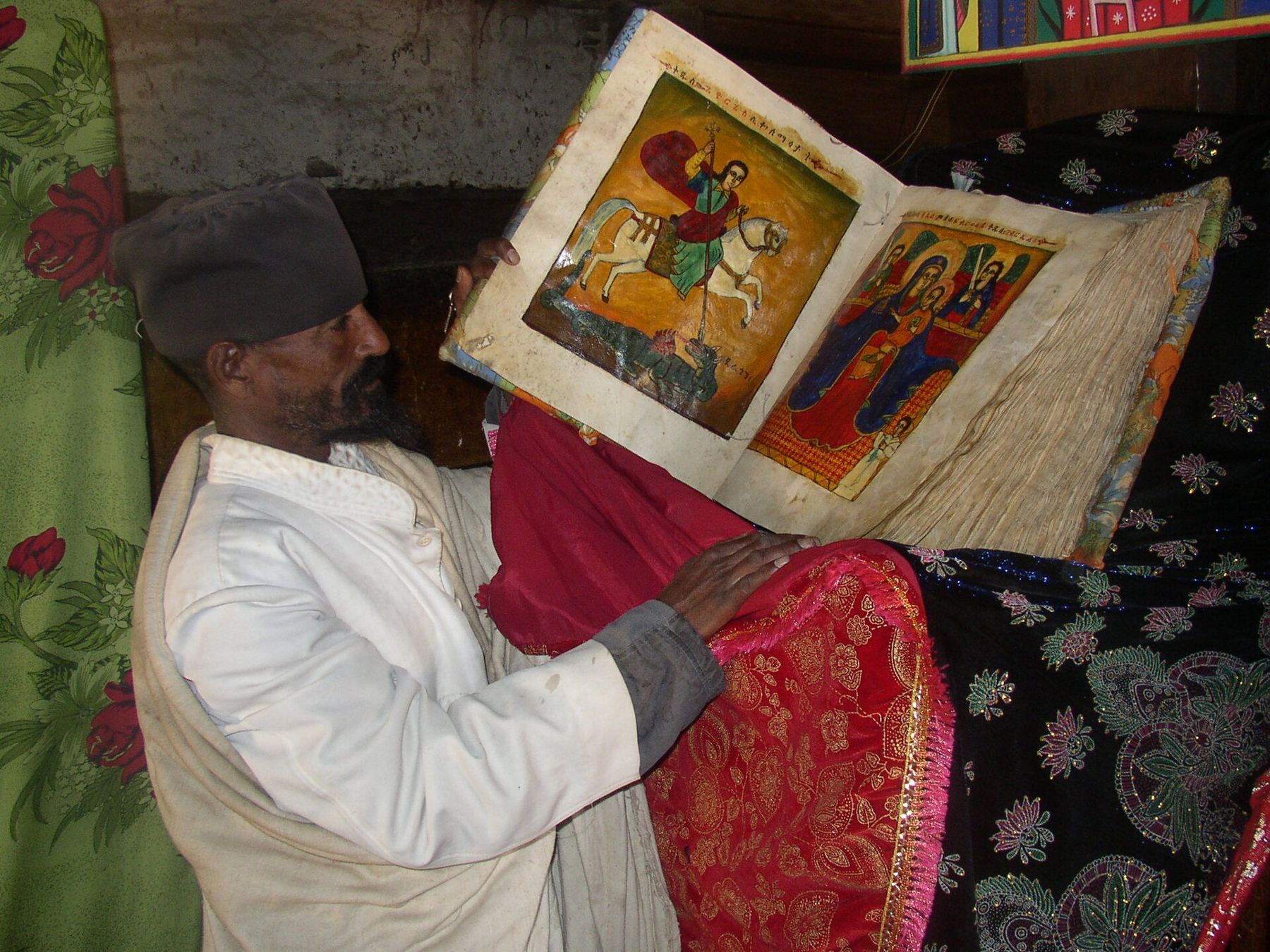
09:12the third hour from sunrise
Third hourሠለስት
Salest
The descent of the Holy Spirit upon the apostles, at the third hour of the day.
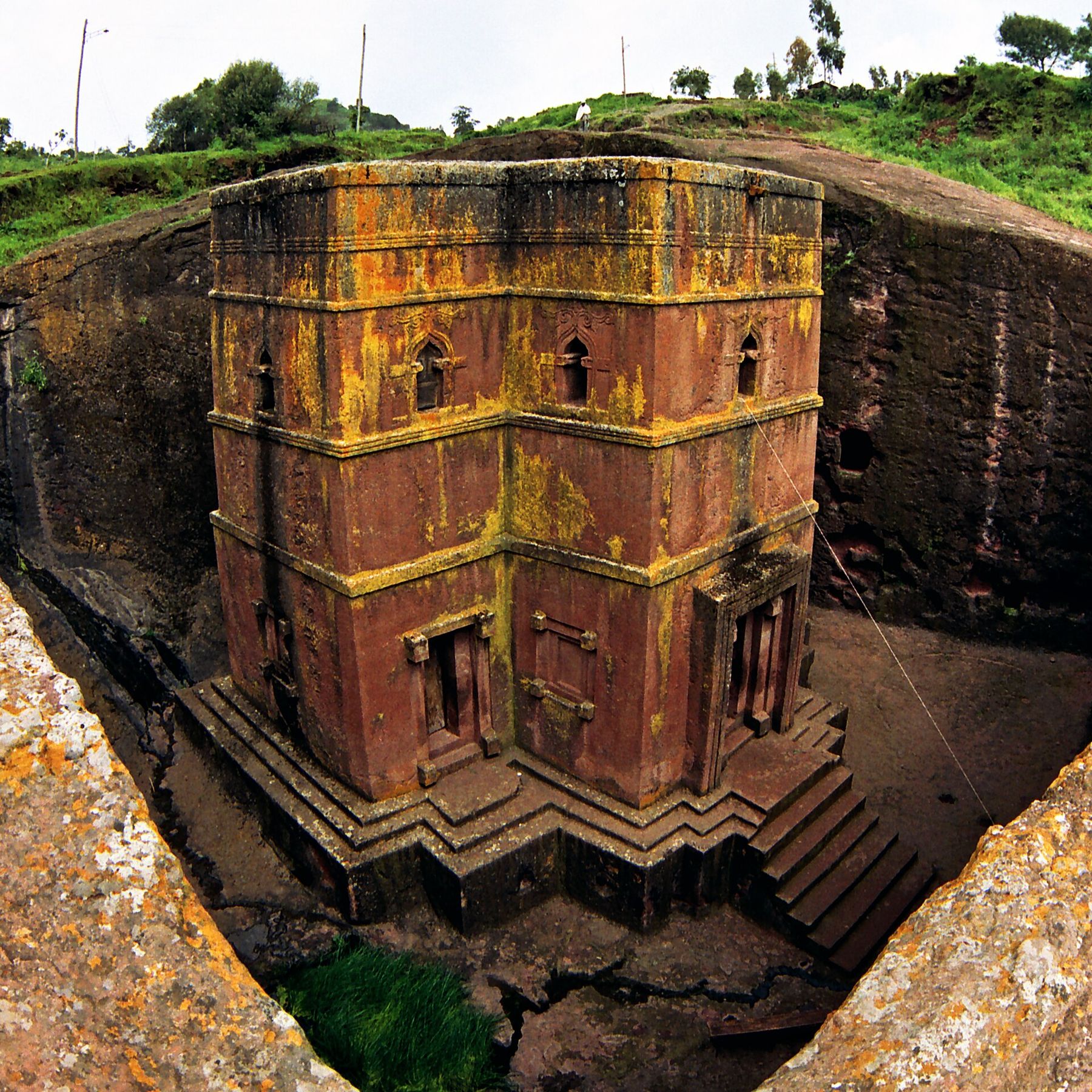
12:12the sixth hour from sunrise
Sixth hourቀትር
Qatr
The Crucifixion: at the sixth hour he was lifted up, and darkness came over the land.
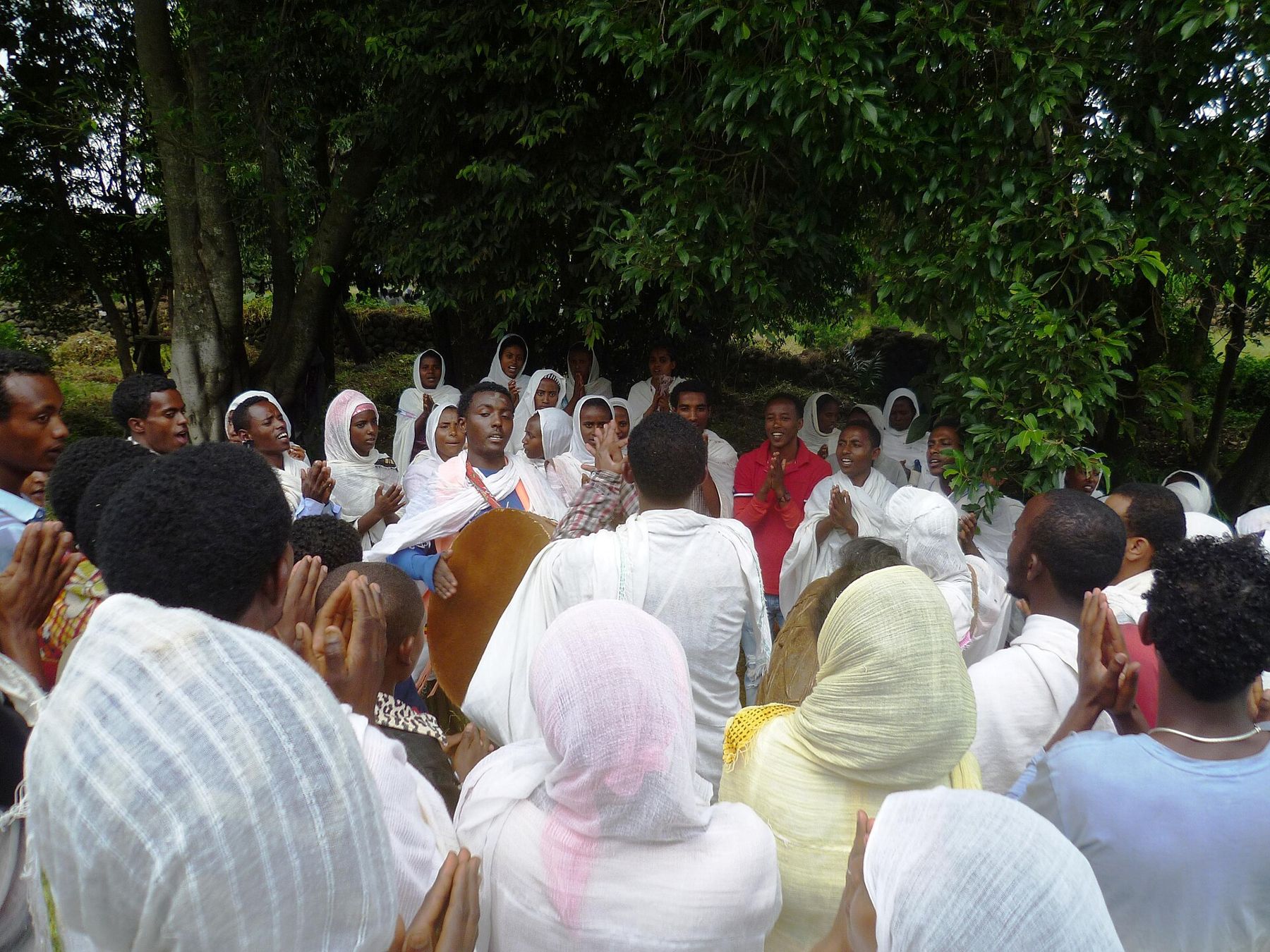
15:12the ninth hour from sunrise
Ninth hourተሰዓት
Tasa’at
His death on the cross — and the hour the fast is broken.
18:12the twelfth hour from sunrise
Evening prayerሰርክ
Sark
The taking down from the cross, and the covenant of the evening as the light goes.
23:30
Before sleep
The day handed over before sleep, with the night still to come.
00:06
Midnight prayerመንፈቀ ሌሊት
Manfaqa Lelit
The vigil: the hour of greatest weight, when the tradition sets the birth, the baptism and the resurrection.
The ninth hour, and why it is not three o’clock
The ninth hour is when a fasting day ends and the first meal is taken. Counted from sunrise it falls close to three in the afternoon in Ethiopia, where the day is near twelve hours all year — about 3:11 pm in Addis Ababa in one season and 3:42 pm in another. Further north it drifts badly: in Madrid the same reckoning gives anything from 3:52 pm to 5:38 pm. So "break the fast at three" is true at home and false abroad.
The app will do it either way: the hour counted from your own sunrise, as the tradition counts it, or fixed at three o’clock on the clock, as many in the diaspora keep it. It is a setting, not a verdict.
Beyond the seven there is more: the Kidan of morning and evening, the Wudase Maryam with a portion for each day of the week, and the Psalter. They are on your screen when you sign in. See also the canon of eighty-one books and the same day in eighteen traditions.